
Lasting Outcomes for Young People and Their Families

The Heart of InStride
Drs. Mona Potter and Kathryn Boger, InStride’s clinical co-founders, worked together for more than a decade at the nation’s leading freestanding psychiatric hospital, where they shared a commitment to improving behavioral health care for young people. Too often they saw kids with anxiety and OCD not receiving the care they needed.
Given the growing demand, they asked themselves, “How can we be part of the solution?” The answer was to make specialized anxiety and OCD treatment scalable and accessible. To do that, they gathered experts who share their passion and purpose—and together they built InStride, an evidence-based, insurance-backed approach to anxiety and OCD care that brings therapy out into the real world.
Watch the video to hear Drs. Potter and Boger share why they founded InStride and how their clinical model is transforming care.

What We Saw and What We Did About It

.webp)
.webp)
Virtual Care That Builds Skills for Life
InStride provides virtual specialty care for young people ages 7 to 24 with anxiety, OCD, and related disorders.
.webp)
Proof that Scale and Quality can Coexist
The Platform Behind Every Care Team
We believe technology, including AI, should make the experience better for the people in treatment and the clinicians treating them. The care model is enhanced by AI tools trained on a proprietary, domain-specific dataset that compounds with every patient, driving increasingly personalized care and improving outcomes over time. We're using it responsibly, and we're using it to make care better.

Strong Outcomes With an Expanding Footprint
InStride works with referring providers, insurance providers and employees to make specialty care for young people with anxiety, OCD, and related disorders more accessible and more effective.
For payors
A specialty program that delivers clinical improvement for young people who typically cycle through the system without lasting results. Less than 1% of graduates are hospitalized in the year after completing the program, the model is purposefully time-bound and we are continuing to expand into new states.
For referring providers
One referral form gets things started. From there, the InStride Team will handle everything, and with the young person or families consent, pediatricians stay informed throughout treatment and receive a clinical summary at completion.
For treatment partners
Young people with a complex anxiety, OCD, and related disorders need more than standard outpatient therapy provides, but that level of specialty care is hard to build and harder to maintain. InStride works with existing treatment providers and delivers the kind of clinical results that justify the partnership.
For future InStride employees
Meaningful work at the intersection of clinical care and technology, with outcomes you can measure. Every new role we fill means more young people get access to specialty care. We are growing our team because the families waiting for care need it. Career growth is built in through InStride Academy and a commitment to promoting from within.

Recognized Across the Industry










Meet the Leadership Team
Every role at InStride is built around one mission: less anxiety, more life. Our team is driven by the belief that evidence-based care should reach every family that needs it, and that the young people in our program deserve the best people behind it.
Clinical Leadership

Mona Potter, MD
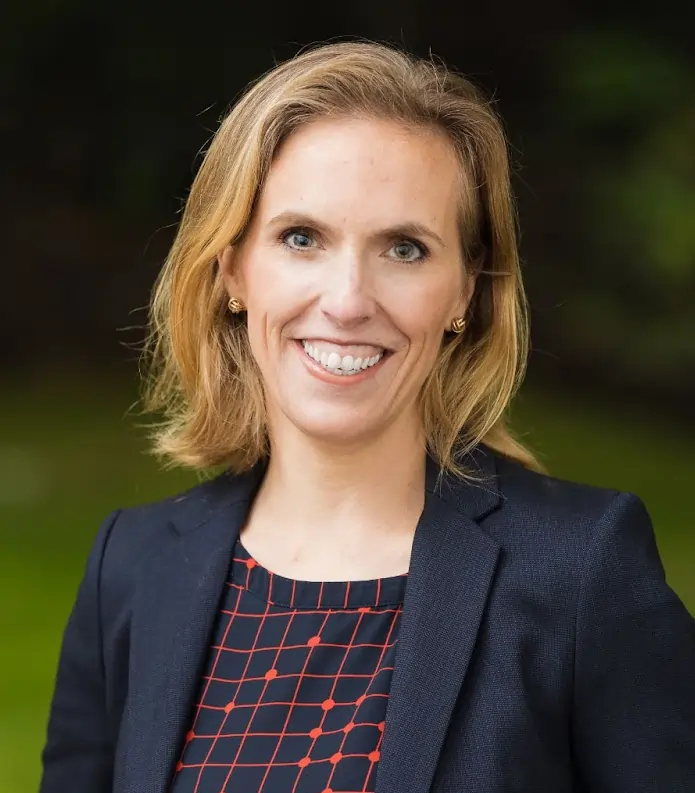
Kathryn Boger, Ph.D., ABPP
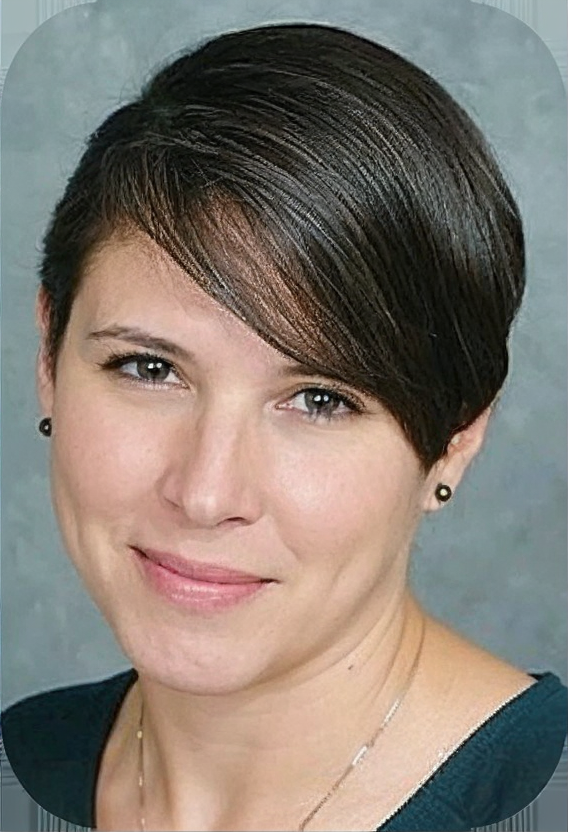
Allison Montick, LCSW

Anoop Vermani, MD

Chanell Smith, CPC

Brock Maxwell, LCPC

Heidi Greenberger, Ph.D., MPH
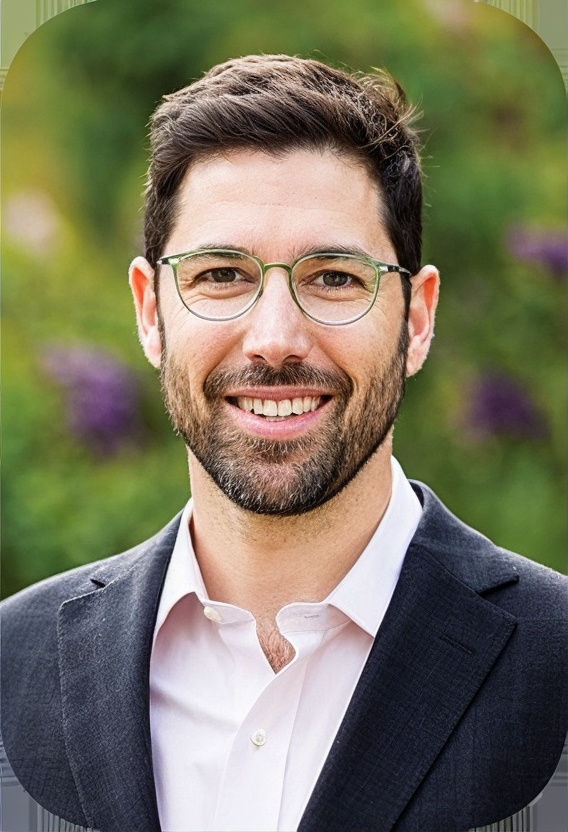
Daniel Stone, Ph.D.

Maya Massing-Schaffer, Ph.D.
What drives the work
InStride brings together clinical excellence and technology to set a new standard for treating anxiety and OCD in young people. If changing how a generation experiences mental health care sounds like the mission you want to get behind, we'd love to meet you.
Give Heart
Work Smart
Have Humility
Embrace Community
Voices From the Program
The outcomes tell you our program works. These voices show you what it actually means to a family who needs it, a clinician who delivers it, and a partner who counts on it.