Panic Attack Treatment for Kids, Teens, and Young Adults
In-network with major insurers.
*We do not currently accept Medicaid.






What are Panic Attacks?
Panic attacks are sudden episodes of intense fear or discomfort that come on quickly, often without warning. They include physical symptoms like a racing heart, shortness of breath, dizziness, or chest tightness, and can feel very distressing, even though they aren’t dangerous. When someone starts to worry about having more attacks, or begins avoiding places where they might happen, it can be a sign of panic disorder.
Almost 1 in 5 teens experience at least one panic attack during adolescence. Panic disorder, which involves recurring attacks and ongoing fear of more, affects about 2 to 3% of adolescents and young adults. Symptoms most often begin in the late teen years or early adulthood.

Recognizing Panic Attacks
The Cycle Behind Panic Attacks and How to Break It
Where it comes from
Panic attacks develop from a combination of a sensitive nervous system, a genetic predisposition to anxiety, and life experiences that shape how someone interprets what they feel. No single event causes it.
What keeps it going
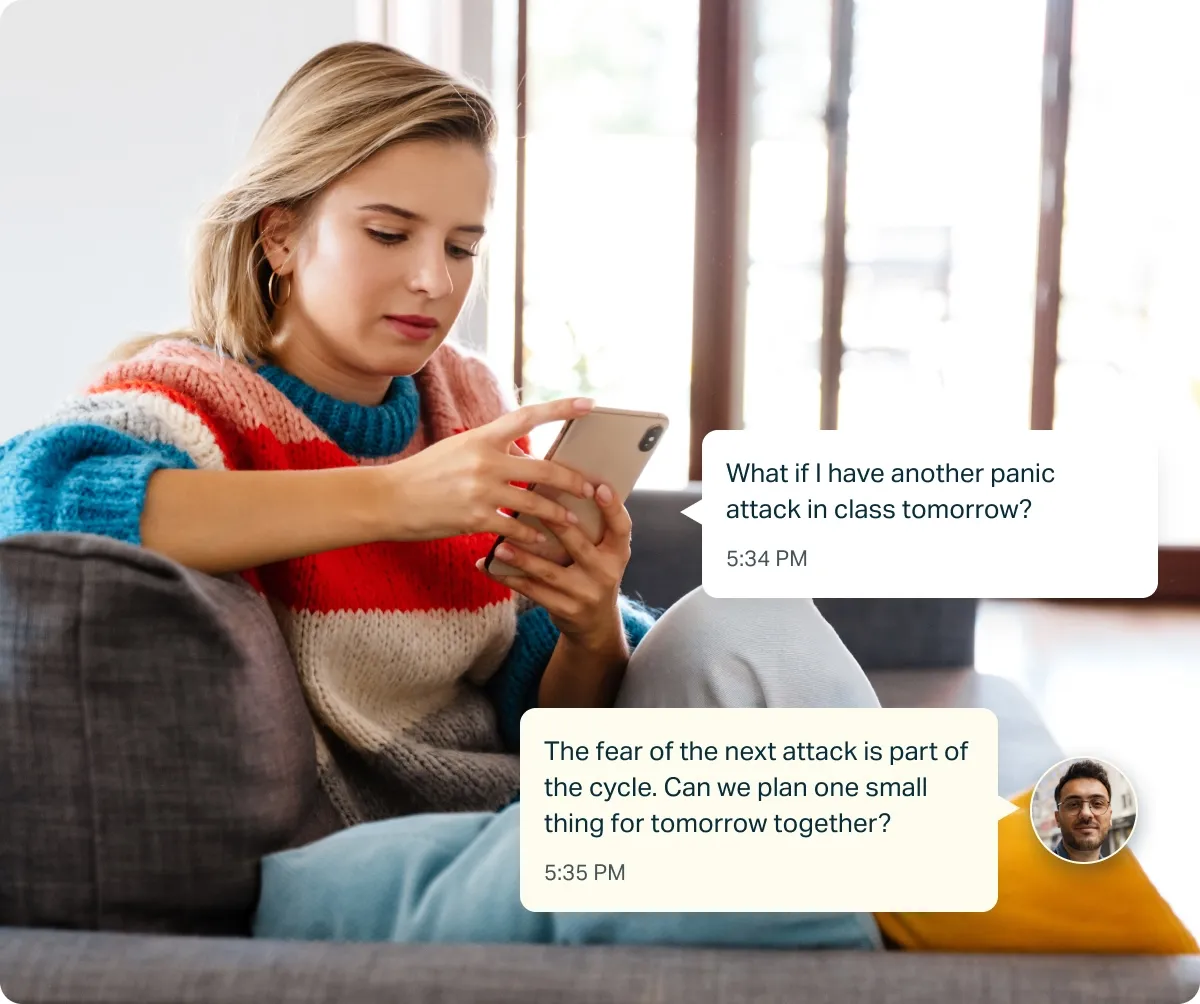
Panic disorder often follows a cycle that can be hard to break. When a physical sensation shows up, like a racing heart or dizziness, it can quickly lead to fear that a panic attack is starting. This fear increases anxiety and makes the sensations feel stronger. To feel safer, someone might avoid certain situations or rely on safety behaviors, like not going places alone or carrying water or medication. These strategies can bring relief in the moment, but over time, they can teach the brain that these sensations are dangerous, keeping the cycle going.
What treatment changes
Treatment helps young people learn to sit with body sensations and fears about panic without avoiding or relying on safety behaviors. Over time, they build evidence that these sensations are uncomfortable but not dangerous, and that they can handle them.

How are Panic Attacks Treated?
Panic disorder is highly responsive to exposure-based treatment. InStride uses cognitive behavioral therapy (CBT) with a strong emphasis on exposure therapy, including interoceptive exposures. This approach helps young people practice sitting with the physical sensations they’ve been fearing. Care is delivered by a team that works with the young person, their family, and their school.
Cognitive behavioral therapy (CBT)
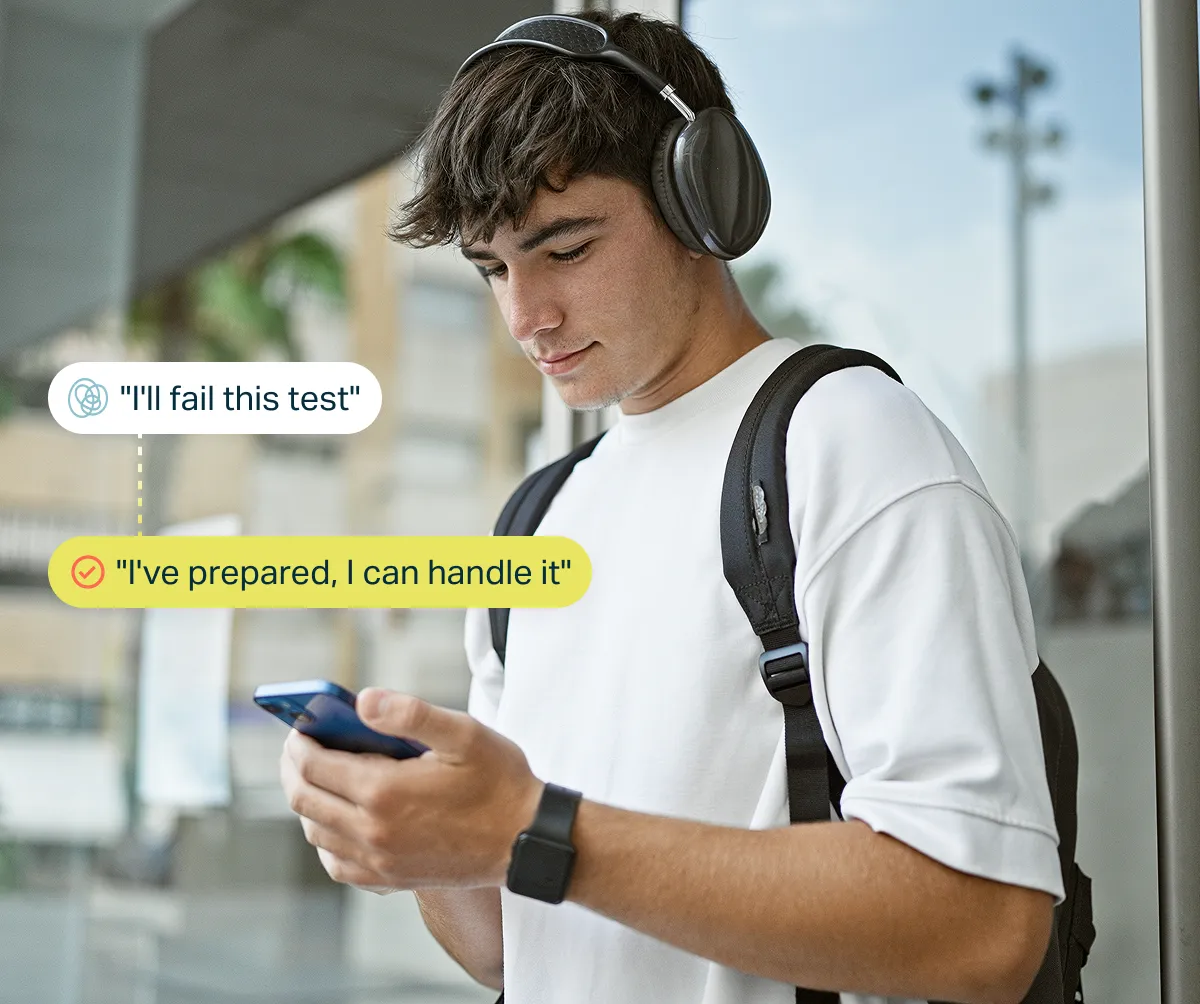
CBT helps young people understand how their thoughts, feelings, and behaviors are connected and teaches them more effective ways to respond. For panic attacks, that means learning to recognize the cycle of fear and avoidance, understanding how each avoided situation reinforces the fear of the next attack, and building new ways to respond when panic shows up.
Exposure and response prevention (ERP)
A core component of CBT, exposure therapy, helps young people gradually face feared sensations instead of avoiding them. Young people learn that anxiety and physical sensations are uncomfortable but tolerable, and they can handle those feelings without avoiding or relying on safety behaviors. For panic, this includes interoceptive exposures, where they intentionally bring on physical sensations like a racing heart, dizziness, or shortness of breath. Over time, they build real evidence that these sensations are uncomfortable but not dangerous.

.webp)
How Families and Schools Can Support Progress

Parents and caregivers
.svg)

School coordination
Lasting Change for Young People with Panic Attacks
Hear from young people and families who came to InStride when panic was running daily life, and learned how to take it back.


.webp)
Frequently Asked Questions
Are panic attacks dangerous?

No. Panic attacks can feel like a medical emergency, with symptoms like a racing heart, chest pain, or trouble breathing, but they are not physically harmful. The feeling that something dangerous is happening is part of the panic itself, and learning that these sensations are safe is a key part of treatment.
How do I know if this is panic disorder?
Occasional panic attacks are common, especially in young people. Panic disorder is when panic attacks start happening out of the blue and keep coming back. This might look like constantly worrying about the next attack or starting to avoid certain places or situations. When having a panic attack becomes the main source of worry, that’s when treatment can help.
Can panic attacks happen alongside other conditions?
Yes. Panic frequently shows up alongside generalized anxiety, social anxiety, OCD, agoraphobia, or depression. When panic attacks are a concern, our program is designed to support that while also helping with any other anxiety symptoms.
Do I need a diagnosis to apply?
No. You don't need to have it figured out before reaching out. Our team evaluates every applicant and determines whether InStride is the right fit.
Will treatment make panic attacks stop completely?
The goal isn't to guarantee panic attacks never happen again. The goal isn't to remove the fear, it's to help young people learn to handle the fear and physical sensations better. When someone stops being afraid of panic, the attacks lose their power, become less frequent, and stop controlling decisions. That's a fundamentally different relationship with anxiety.
How long does treatment typically take?
Most young people are in the program for four to eight months. For panic disorder, many start seeing changes quickly as exposures build confidence that the sensations aren't dangerous.