School Avoidance Treatment for Kids, Teens, and Young Adults
In-network with major insurers.
*We do not currently accept Medicaid.






What is School Avoidance?
Also known as school refusal, school avoidance is when a young person has persistent difficulty going to or staying in school. It can look like missing whole days, showing up late, leaving early, or avoiding certain classes or situations.
The longer someone is out of school, the harder it becomes to go back. But the cycle is breakable, and with the right treatment, young people build the skills to get back to school.

Recognizing School Avoidance
The Cycle Behind School Avoidance and How to Break It
Where it comes from
School avoidance doesn’t have a single cause. It usually develops from a combination of genetic predisposition, a more sensitive temperament, and environmental factors like academic stress, social challenges, or difficult school transitions. For many young people, anxiety or OCD play a role.
What keeps it going
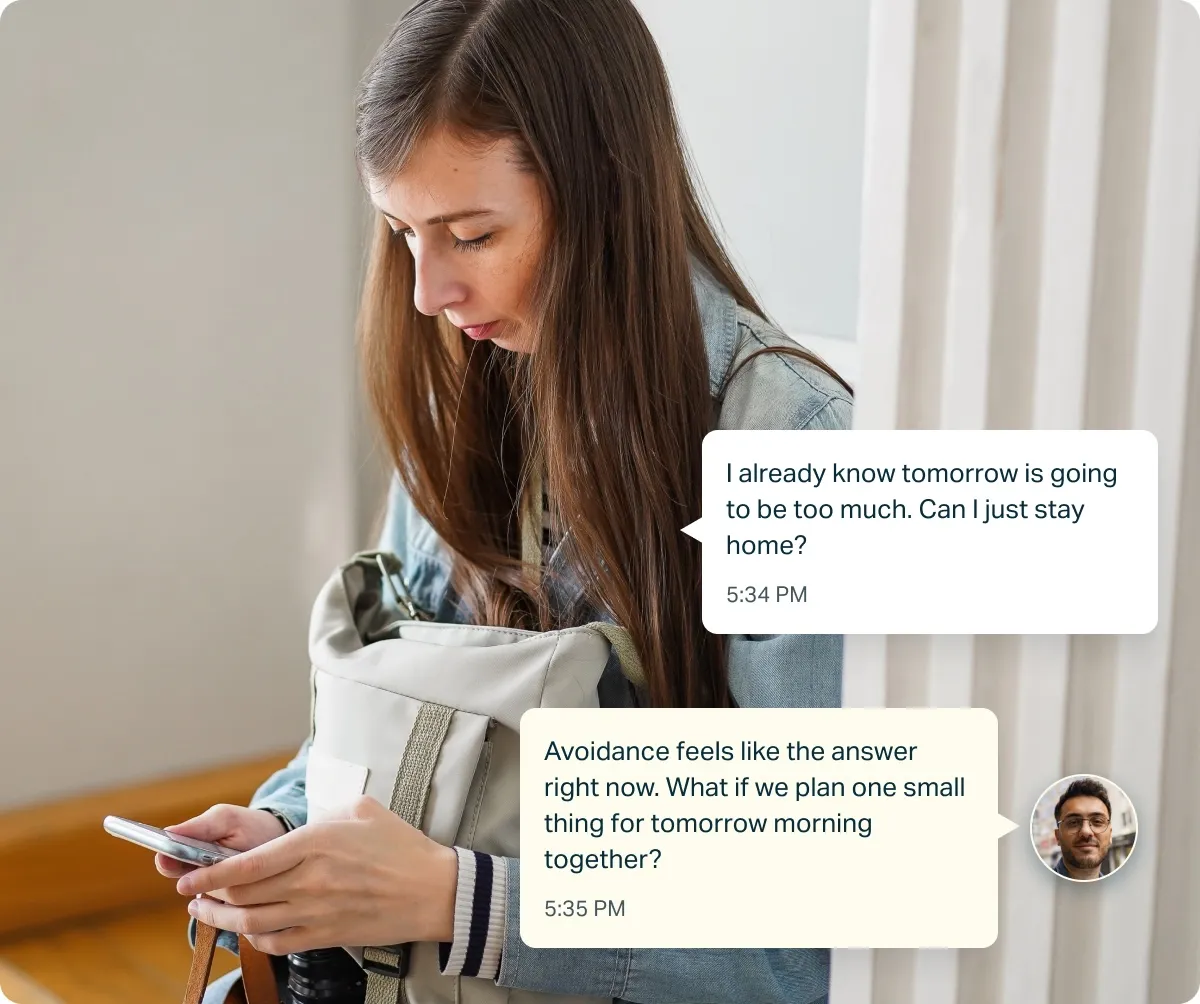
When a young person stays home, the short-term relief from anxiety teaches the brain that avoidance works. Meanwhile, the comforts of home, electronics, preferred activities, and caregiver attention, make staying in feel more appealing than going back. Each day away makes the next day harder, and the cycle gets more practiced every time it runs.
What treatment changes
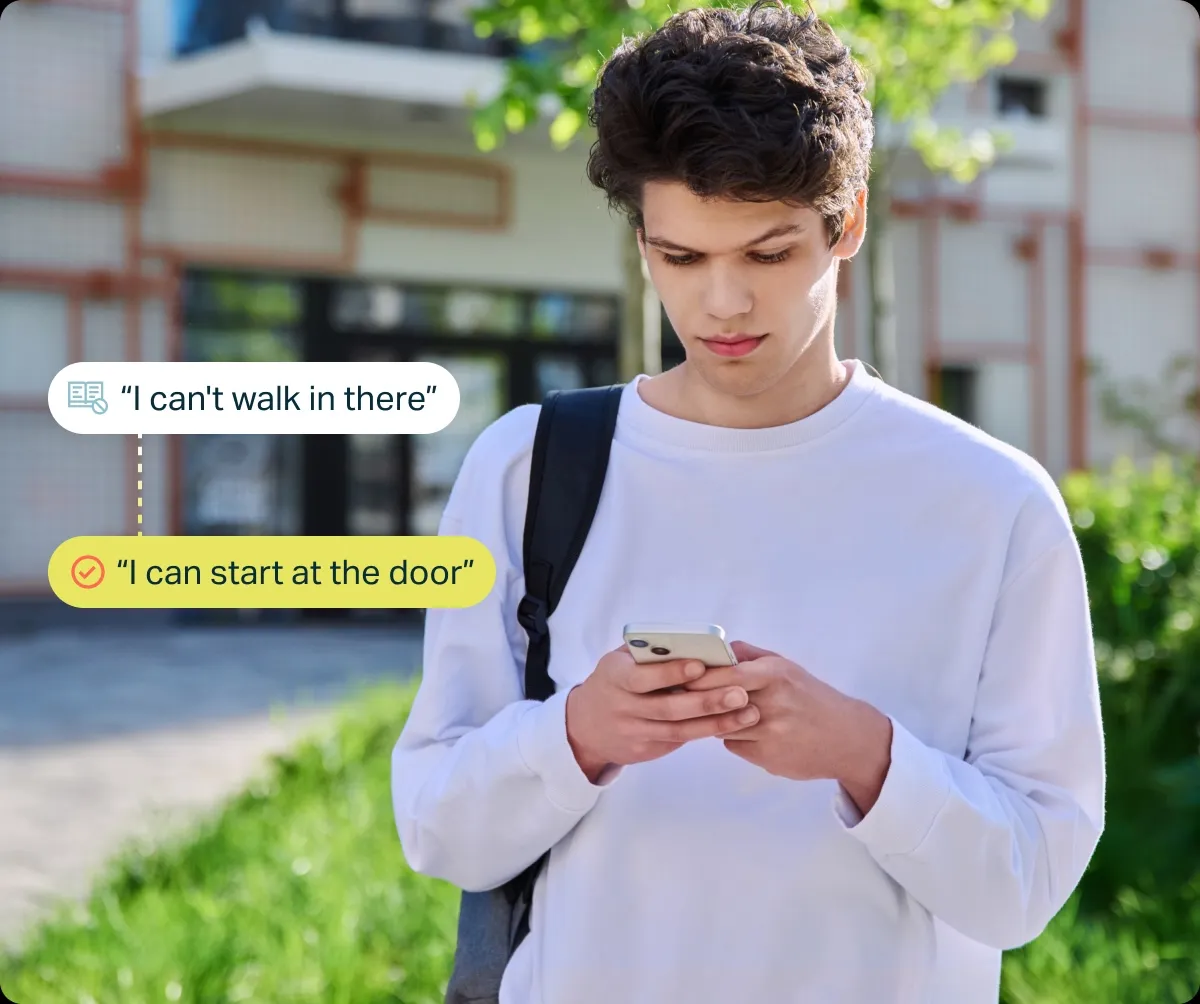
Our care teams help young people break the cycle of avoidance and take gradual steps back toward school, building evidence that they can handle it. A morning routine becomes driving to school. Driving to school becomes walking in. Walking in becomes staying for a class. With structured practice and the right support, the cycle reverses.

How is School Avoidance Treated?
91% of young people at InStride report reduced anxiety symptoms within two months.* The approach behind that is cognitive behavioral therapy (CBT) with a strong emphasis on exposure therapy, and it works best when the young person, their parents, and their school are all part of the plan.
Cognitive behavioral therapy (CBT)
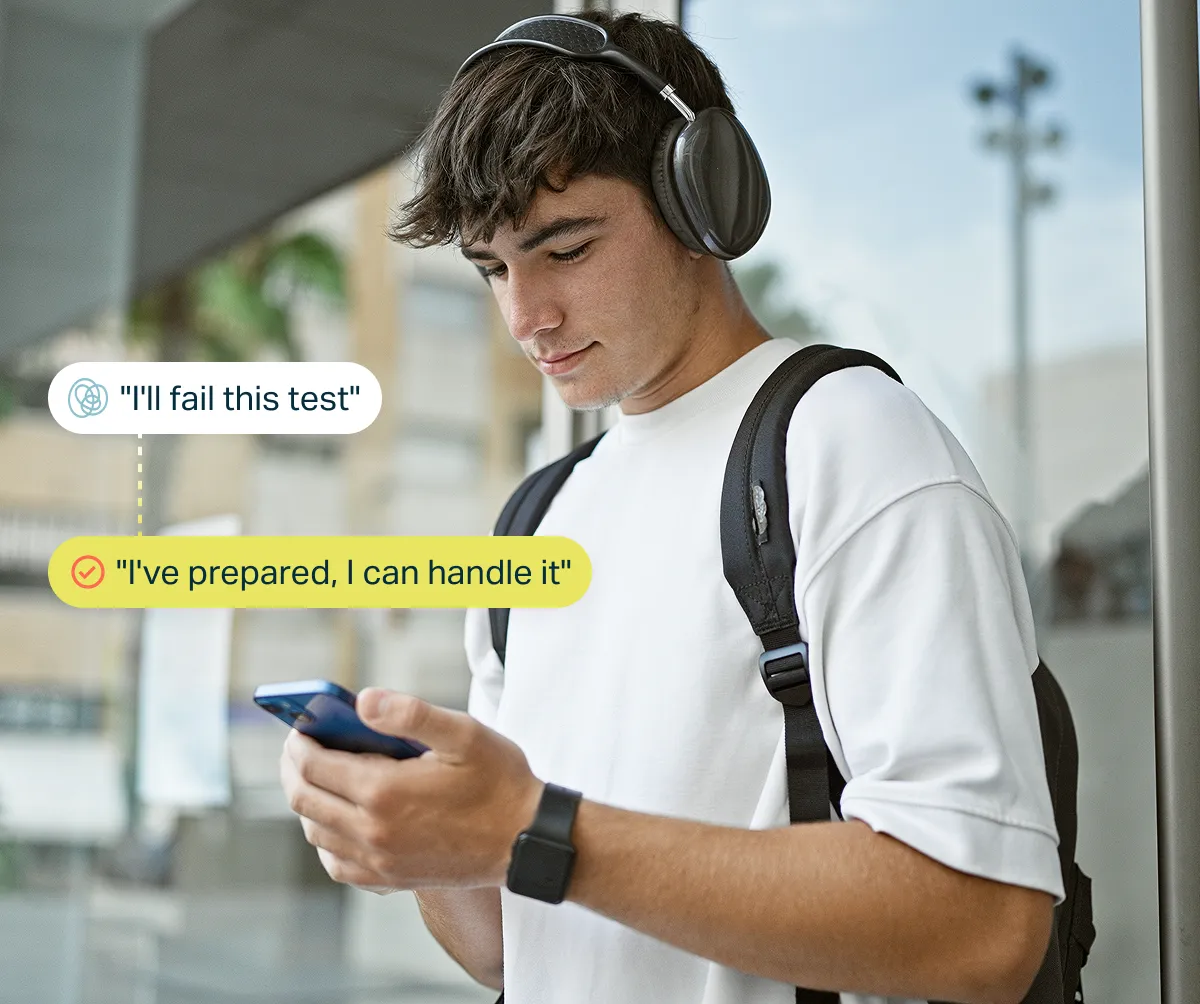
CBT helps young people understand how their thoughts, feelings, and behaviors are connected and teaches them more effective ways to respond. For school avoidance, that means learning to recognize the cycle of avoidance, understanding how each missed day makes the next one harder, and building new skills to take small steps back.
Exposure and response prevention (ERP)
A core component of CBT, exposure therapy involves gradually facing feared situations instead of avoiding them. Young people learn that anxiety and uncertainty are uncomfortable, but tolerable, and they can handle those feelings without relying on avoidance. A teen who feels overwhelmed walking into school might start waking up early and following a morning routine, driving to school without going inside, meeting with a counselor in the building, attending one or two classes, and working up to a full day.

How Families and Schools Can Support Progress

Parents and caregivers
.svg)

School coordination
Lasting Change for Young People Living with School Avoidance
Hear from young people and families who came to InStride when OCD was running daily life, and built the skills to manage it.


.webp)
Frequently Asked Questions
How do I know if my child has school avoidance?

School avoidance is driven by real anxiety, fear, or distress, not defiance. The pattern is usually the tell: repeated difficulty getting to school with physical complaints, emotional outbursts, or visible distress that goes beyond normal reluctance. You don't need to figure it out alone. Our team completes a full evaluation and helps you understand what's going on.
My child has missed weeks or months of school. Is it too late?
No. Many of the young people we treat have missed significant time before starting care. Structured treatment can reverse the pattern at any point. Gradual exposure practice starts wherever your child is and builds from there.
Will treatment mean missing more school?
Treatment is fully virtual. We work with each young person, family, and school to fit sessions around the day. Getting back to school is one of the primary treatment goals.
Can school avoidance happen alongside another condition?
Yes. School avoidance often occurs alongside generalized anxiety, social anxiety, OCD, panic disorder, separation anxiety, or depression. When anxiety or OCD is a primary driver, our program treats the full picture.
Do I need a diagnosis to apply?
No. You don't need to have it figured out before reaching out. Our team evaluates every applicant and determines whether InStride is the right fit.
What role does the school play in treatment?
When families choose to include the school, our care team coordinates directly with counselors and staff to support a gradual re-entry plan. This might include flexible start times, modified schedules, supportive check-ins, and a shared plan for tracking progress.
How long does treatment typically take?
Most young people are in the program for four to eight months. For school avoidance specifically, families often see movement on attendance within the first few months as exposure practice builds momentum.