Separation Anxiety Treatment for Kids, Teens, and Young Adults
In-network with major insurers.
*We do not currently accept Medicaid.






What is Separation Anxiety Disorder?
Separation Anxiety Disorder is intense, ongoing fear about being away from a caregiver or loved one. It often includes worries that something bad might happen while they’re apart and can lead to avoiding separation or experiencing it with significant distress. It often interferes with school, sleep, and everyday routines, and can affect the whole family.
Separation anxiety disorder affects about 4% of children and 1 to 2% of adolescents and young adults. It often starts in childhood but can show up later, especially during big transitions like a move, a loss, or starting a new school.

How to Recognize Separation Anxiety Disorder
The Cycle Behind Separation Anxiety and How to Break It
Where it comes from
Separation anxiety develops from a mix of a sensitive temperament, a genetic predisposition to anxiety, and life experiences like a loss, an illness, or a move. There isn’t one single reason it happens, and you did nothing to cause it.
What keeps it going
Separation anxiety often follows a cycle that can be hard to break. When a separation comes up, like going to school or sleeping in a different room, it can trigger fear that something bad might happen while they’re apart. To feel better, a young person might avoid separating, stay close to a caregiver, or seek reassurance. These strategies can bring relief in the moment, but over time, they reinforce the idea that being apart is unsafe, keeping the anxiety going.
What treatment changes
Treatment helps young people gradually face separation instead of avoiding it. With support, they practice things that have felt hard, like going to school, spending time in another room, or sleeping on their own. Over time, young people build evidence that what they’re worried about is less likely than it feels, and that they can handle being apart.

How is Separation Anxiety Treated?
Separation anxiety responds well to structured, exposure-based treatment, and it works best when the whole family is part of the plan. InStride uses cognitive behavioral therapy (CBT) with a strong emphasis on exposure therapy, delivered by a care team that works with the young person, their family, and wider support system to support progress in all areas of life.
Cognitive behavioral therapy (CBT)
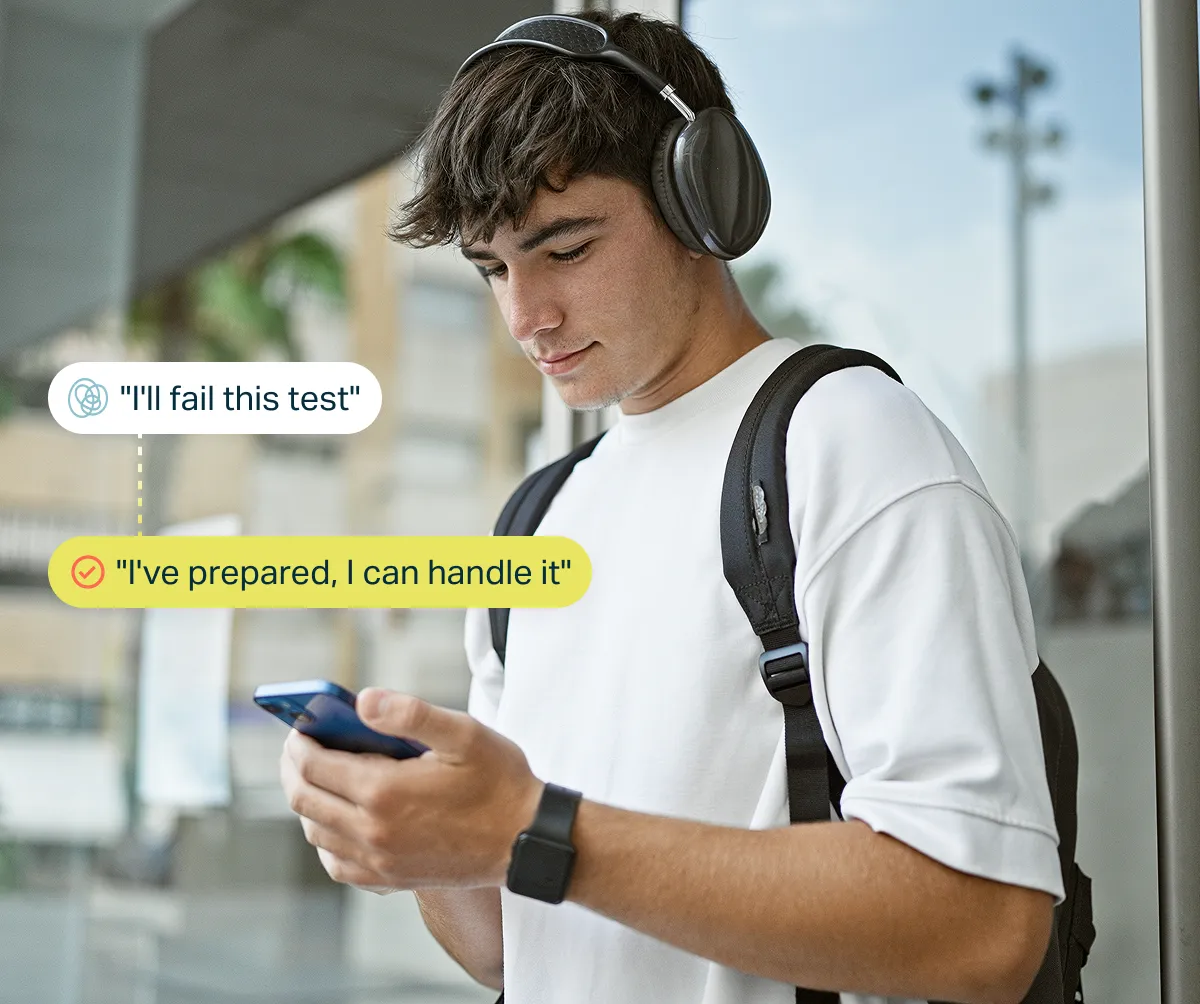
CBT helps young people understand how their thoughts, feelings, and behaviors are connected and teaches them more effective ways to respond. For separation anxiety, that means learning to recognize the cycle of fear and avoidance, understanding how staying close reinforces the fear that something bad will happen, and building new ways to respond when being apart feels hard.
Exposure and response prevention (ERP)
A core component of CBT, exposure therapy helps young people gradually face separation instead of avoiding it. Young people learn that the worry about separation is uncomfortable but tolerable, and they can handle being on their own without relying on closeness or reassurance. A child who feels scared to be alone might practice playing in another room or going to the bathroom on their own. With practice, they learn they can handle being apart and that their fears about something bad happening are less likely than they feel.

.webp)
.webp)
How Families and Schools Can Support Progress

Parents and caregivers
.svg)

School coordination
Lasting Change for Young People with Separation Anxiety
Hear from young people and families who came to InStride when separation was the hardest part of every day, and built their way through it.


.webp)
Frequently Asked Questions
How do I know if this is separation anxiety or a phase?

It is common, especially for younger children, to feel nervous about separating from a caregiver at times. If the distress is intense, lasting longer than expected, and getting in the way of school, sleep, friendships, or family life, it may be a sign of separation anxiety disorder. Our team evaluates every applicant and helps sort through what's going on.
Will treatment force my child to be apart from me before they're ready?
No. Exposure therapy is gradual and collaborative. Treatment starts with separations that feel manageable and builds from there at a pace that works for your child. The care team designs each step alongside you and your child, so progress feels challenging but doable.
Could I be making my child’s separation anxiety worse without realizing it?
If you've been comforting, reassuring, and adjusting routines to help your child feel safe, you're doing what every loving parent would do. The instinct is completely understandable. But with separation anxiety, some common responses that help in the moment can unintentionally reinforce the fear. Treatment isn't about blame. It's about learning a different way to respond, and many parents find this shift plays a key role in their child’s progress.
Can separation anxiety happen alongside other conditions?
Yes. Separation anxiety often shows up alongside generalized anxiety, school avoidance, panic disorder, or social anxiety. When separation anxiety is a concern, our program is designed to support that while also helping with any other anxiety symptoms.
Do I need a diagnosis to apply?
No. You don't need to have it figured out before reaching out. Our team evaluates every applicant and determines whether InStride is the right fit.
Can a teen or young adult have separation anxiety?
Yes. Separation anxiety is more common in younger children, but it can persist into adolescence and young adulthood, or first appear during a major transition like starting a new school or going to college. Our program treats separation anxiety across the full age range.
How long does treatment typically take?
Most young people are in the program for four to eight months. For separation anxiety, families often see meaningful shifts in drop-off, bedtime, or school attendance within the first couple of months as exposure practice builds confidence for both the young person and their family.