Emetophobia Treatment for Kids, Teens, and Young Adults
In-network with major insurers.
*We do not currently accept Medicaid.






What is Emetophobia?
Emetophobia can shrink a young person’s world fast. It often starts small, avoiding certain foods or plans, until one day fear is calling the shots. The fear of vomiting can quietly take over daily life, dictating what someone eats, where they go, and who they spend time with.

How to Recognize Emetophobia
The Cycle Behind Emetophobia and How to Break It
Where it comes from
Emetophobia develops from a combination of a sensitive nervous system, a genetic predisposition to anxiety, and experiences like getting sick or seeing someone vomit that shape how a young person feels about illness over time. No single event causes it.
What keeps it going
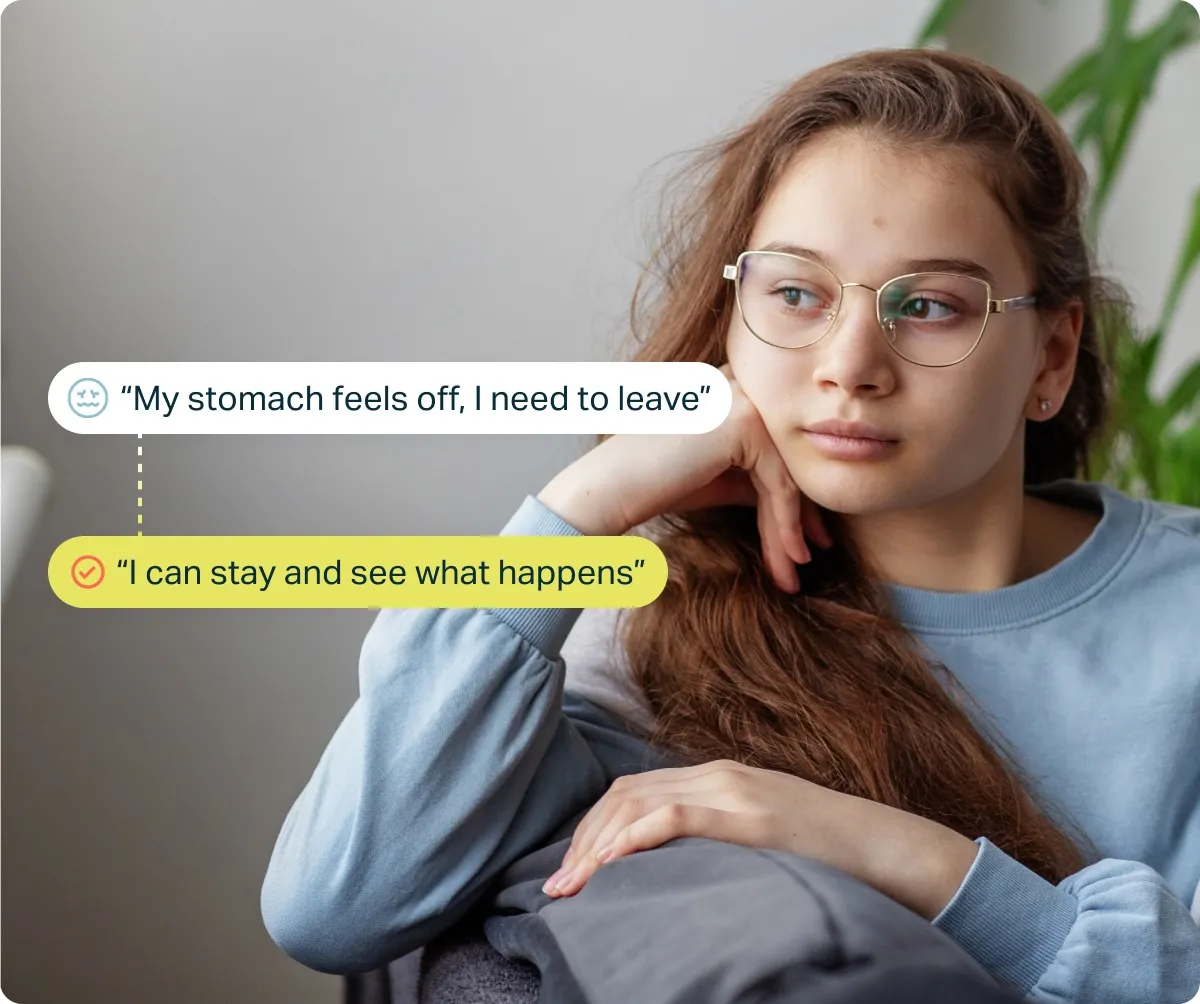
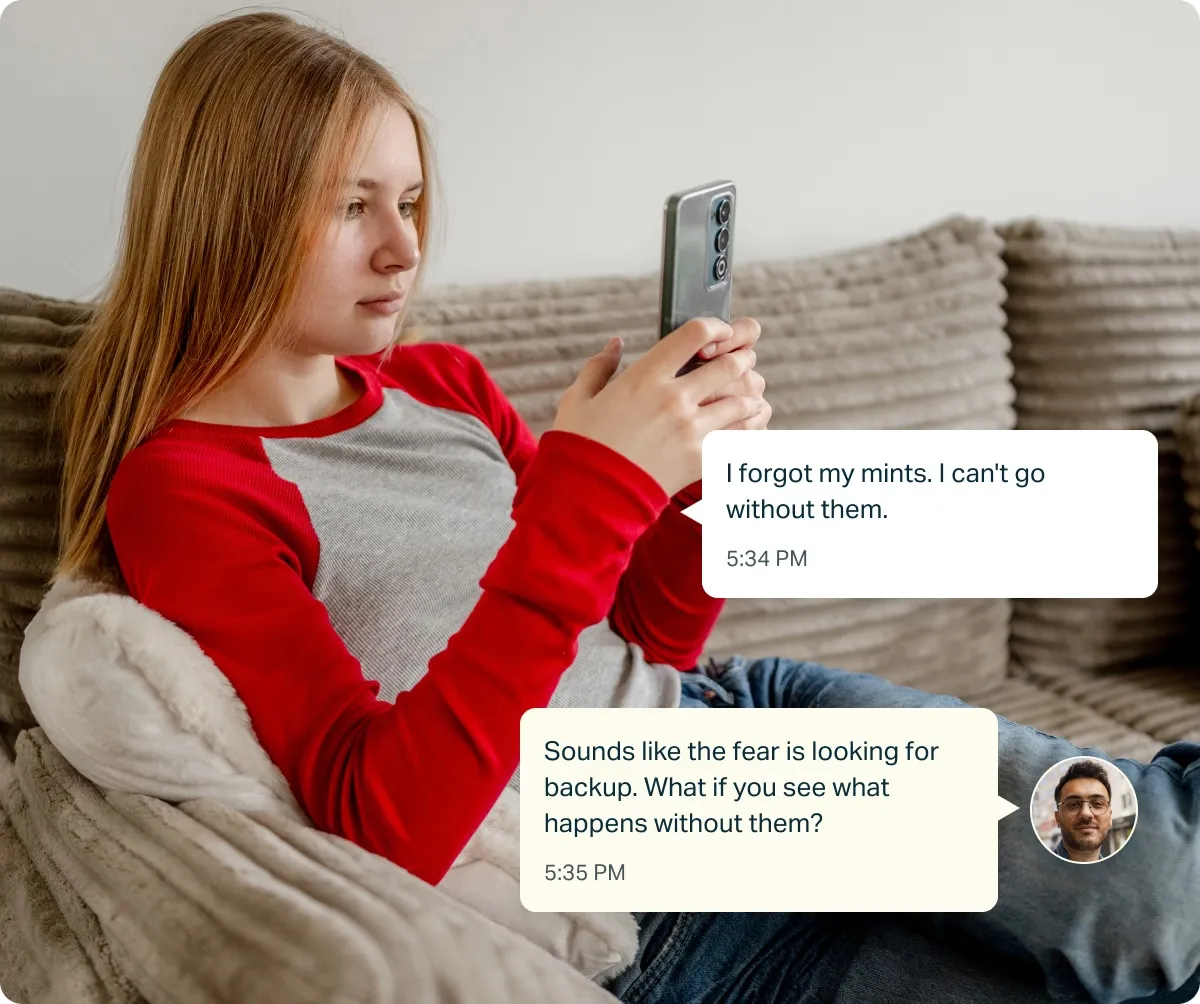
Emetophobia often follows a cycle that can be hard to break. When a young person feels nauseous or hears that someone is sick, it can trigger intense fear. To feel better, they may avoid certain foods or activities, stay close to home, carry “just in case” medication, or seek frequent reassurance. These strategies can bring relief in the moment, but over time, they can keep the fear going and make life feel more limited.
What treatment changes
Treatment helps young people with emetophobia gradually face their fears instead of avoiding them. With support, they practice things that have felt hard, like eating lunch at school or riding in the back seat of the car. Over time, they learn that anxiety, nausea, and uncertainty are uncomfortable but tolerable, and that they can handle them. That is the shift that breaks the cycle.

How is Emetophobia Treated?
Emetophobia is highly responsive to exposure-based treatment. InStride uses cognitive behavioral therapy (CBT) with a strong emphasis on exposure therapy, delivered by a dedicated care team that works with the young person, their family, and their school to support progress in all areas of life.
Cognitive behavioral therapy (CBT)
CBT helps young people understand how their thoughts, feelings, and behaviors are connected and teaches them more effective ways to respond. For emetophobia, that means learning to recognize the cycle of fear and avoidance, understanding how each avoided food, place, or person makes the fear stronger, and building new ways to respond.

Exposure and response prevention (ERP)
A core component of CBT, exposure therapy, involves gradually facing feared situations instead of avoiding them. Young people learn that anxiety and uncertainty are uncomfortable but tolerable, and they can face triggers without relying on safety behaviors or avoidance. A teen who is afraid of throwing up at school might work up to eating lunch in the cafeteria without carrying anti-nausea medication. Over time, they build real evidence that they can handle the discomfort without needing to avoid or engage in safety behaviors.

How Families and Schools Can Support Progress

Parents and caregivers
.svg)

School coordination
Lasting Change for Young People with Emetophobia
Hear from young people and families who came to InStride when emetophobia was running daily life, and built the skills to take it back.


.webp)
Frequently Asked Questions
How do I know if this is emetophobia?

Emetophobia is driven by a fear of vomiting or getting sick. If someone avoids certain foods because they're worried about getting sick, carries safety items, frequently asks for reassurance about nausea, or avoids school and social events because of vomit-related fears, it may be a sign they need more support. Our team evaluates every applicant and helps sort through what's going on.
Is emetophobia the same as an eating disorder?
No. Emetophobia is an anxiety disorder. The food avoidance is driven by fear of vomiting or getting sick. That said, emetophobia can co-occur with conditions like ARFID (avoidant/restrictive food intake disorder). Our team evaluates the full picture.
I’ve had this fear for years. Can treatment still help?
Yes. Even if this fear has been around for a long time, treatment can still help. Exposure therapy is designed to help people gradually face these fears and get their lives back.
Will treatment force me to vomit?
No. Exposure therapy for emetophobia does not involve making anyone throw up. It involves gradually facing the thoughts, sensations, and situations that trigger the fear, like eating a food they’ve been avoiding or sitting with a feeling of nausea without immediately trying to make it go away, so the brain learns that they can handle the discomfort.
Can emetophobia happen alongside other conditions?
Yes. Emetophobia frequently shows up alongside other anxiety disorders, OCD, or ARFID. When fear of vomiting is a concern, our program is designed to support that while also helping with any other anxiety symptoms.
Do I need a diagnosis to apply?
No. You don't need to have it figured out before reaching out. Our team evaluates every applicant and determines whether InStride is the right fit.
How long does treatment typically take?
Most young people are in the program for four to eight months. For emetophobia specifically, many families see shifts in avoidance behavior within the first couple of months as exposure practice builds confidence.