.avif)


Exposure Therapy for Kids, Teens, and Young Adults
In-network with major insurers.
*We do not currently accept Medicaid.






What is Exposure Therapy?
Exposure therapy is the gold-standard, evidence-based treatment for anxiety and OCD. It works by helping young people gradually face the situations, thoughts, and feelings they fear, rather than avoiding them.
It can feel hard at first, but at InStride, young people practice with support, learn they can handle those experiences, and it gets easier.
.avif)
Exposure therapy is often called Exposure and Response Prevention, which includes:
- Facing fears (exposures: gradually approaching feared situations, thoughts, or images)
- Resisting the urge to do compulsions, reassurance-seek, or avoid (response prevention)
Exposure therapy is a technique within cognitive behavioral therapy (CBT), the broader, skills-based treatment for anxiety and OCD.
It's the behavioral strategy of gradually facing fears rather than avoiding them.
Exposure therapy can be adapted for any age, from young children through adults. The approach is tailored to a person’s developmental stage.
Organizations like the American Psychological Association (APA) recognize it as a scientifically demonstrated, helpful treatment or treatment component.
What Does Exposure Therapy Help Treat?
Anxiety Disorders
- Generalized Anxiety Disorder (GAD)
- Panic Attacks and Panic Disorder
- Social Anxiety
- Separation Anxiety
- Health Anxiety
- Specific Phobias
OCD and Related Disorders
- Obsessive-Compulsive Disorder (OCD)
- Body Dysmorphic Disorder
- PANS/PANDAS
Related Conditions
- Perfectionism
- Academic Anxiety
- School Avoidance
- ARFID
How Exposure Therapy Works in Practice
At InStride, exposure therapy helps young people understand the cycle that keeps their anxiety or OCD going. Once they see how avoidance and compulsions feed that cycle, our care team guides them to face fears gradually and respond in new ways.
Facing Fears Gradually
Exposure therapy is built on gradual, manageable steps. Rather than confronting a fear all at once, young people start small and work up to bigger challenges over time, with each step laying the groundwork for the next.
And since what feels hard is different for everyone, the pace is tailored to each young person, meeting them where their fears actually show up.

Reducing Avoidance and Compulsions
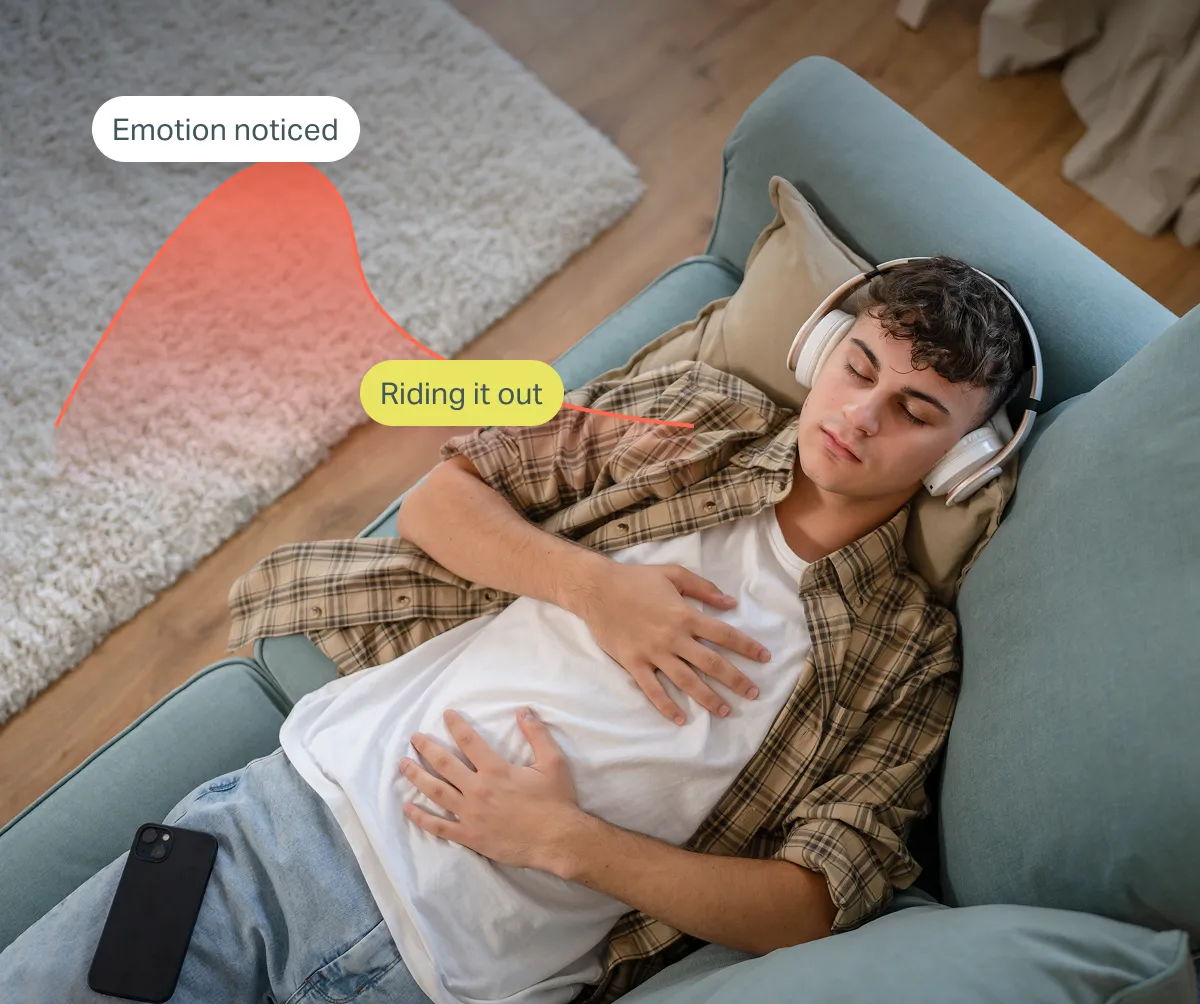
When anxiety or OCD shows up, young people often respond with avoidance or compulsions and safety behaviors, such as checking, seeking reassurance, or different rituals. These bring short-term relief, but keep the cycle going.
Exposure therapy helps young people meet those urges differently, staying with the situation rather than acting on them, so the pattern slowly loosens and everyday moments start to feel more manageable.
Learning Through Experience
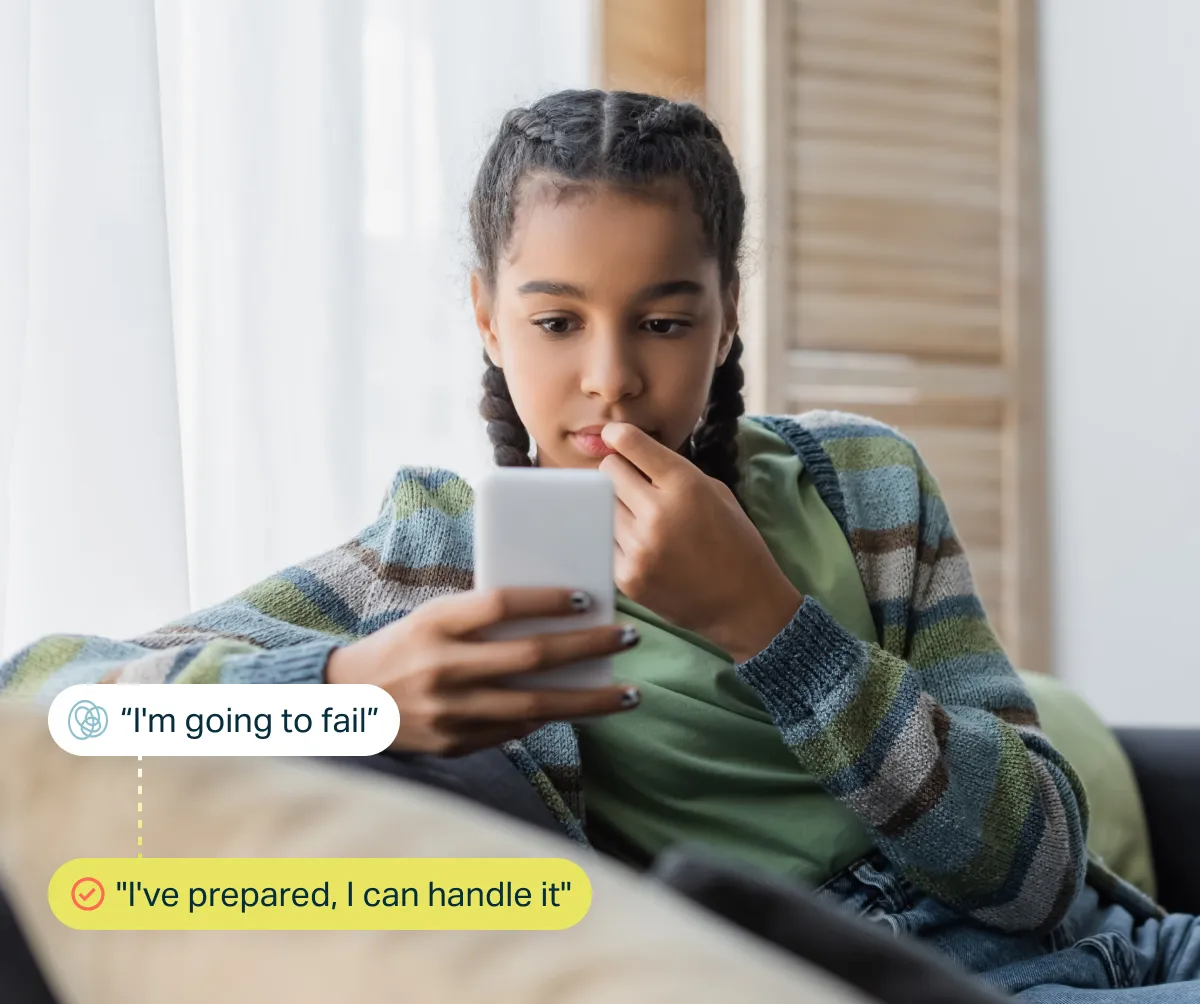
Before an exposure, a young person expects what they fear most. Afterward, they've seen how it actually went, and it's usually not what they feared.
Sometimes the hard thing doesn't happen at all; often it's easier than they braced for. And when it isn't, they learn they can handle it and live alongside it.
.avif)

.avif)
What an Exposure Therapy Plan Looks Like
An exposure therapy plan is active, structured, and personalized. The care team builds it around the young person and their goals.

The Fear and Avoidance Hierarchy (Bravery Ladder)
Most exposure therapy plans break larger fears into smaller, manageable steps so a young person can gradually work their way up to more difficult situations.
Each step is rated from 1 (a little scary) to 10 (extremely scary). This helps identify a good place to start and provides a roadmap for treatment.

What an Exposure Might Look Like
The care team member helps the young person predict what they think will happen. Then, they reflect on what actually happened and what they learned.
An exposure might mean speaking in social situations, touching something that feels "contaminated," or practicing going to school after avoiding it.

The Role of Parents and Caregivers
Parents and caregivers play an important role by supporting exposure practice between sessions and encouraging their child to keep going in everyday life.
At InStride, exposure therapy also happens across settings, including home, school, and everyday situations where fears actually show up.
How InStride Can Help
A Dedicated 3-Person Care Team
Every young person is paired with a therapist, an exposure coach, and a psychiatrist who work together as one team. The exposure coach role matters specifically for exposure therapy, since it works best when practiced consistently between sessions, not just talked about in them.
Support for the Whole Family
Parents and caregivers gain skills too, through a dedicated skills group and a practice group for discussion, problem-solving, and applying what they've learned. This includes knowing when to step in and when to step back to help their child build independence.
Care that Starts Quickly
With no waitlist and a response to your inquiry within 24 hours, young people can begin building the skills to face their fears sooner.

How to Find Effective Exposure Therapy Treatment
The right provider can create an effective exposure plan that moves at the right pace for your child. Here's what to look for.

What to Look For in a Provider
.svg)

What to Ask a Possible Provider
Lasting Change Through Exposure Therapy
Hear from young people and families who used exposure therapy to face their fears and get back to everyday life — school, friendships, and the moments anxiety once got in the way of.


.webp)
Frequently Asked Questions
How long does exposure therapy take?

It depends on the young person, their goals, and what they're working on. Many see meaningful progress within a few months. At InStride, care is purposefully time-bound, typically a 4-8 month program, so treatment has a clear direction from the start rather than continuing indefinitely.
Is exposure therapy appropriate for children?
Yes, and it's one of the most effective treatments available for children with anxiety and OCD. A common worry is that exposure therapy pushes kids too hard, but it works the opposite way: children face fears gradually, one manageable step at a time, with plenty of support. The approach is always adapted to a child's age, development, and what feels hard for them.
What happens in an exposure therapy session?
Exposure sessions are hands-on and collaborative. Together, the young person and their care team member pick a manageable fear to face, talk through what might happen, and then practice the exposure with the care team member's support and encouragement. Afterward, they reflect on how it actually went, often better than expected, and decide on the next step.
Is treatment fully virtual?
Yes, and that's by design. Virtual care means your coach can guide you through real-world practice exactly where anxiety and OCD show up: at school, in a restaurant, at the grocery store. It also means no commute and easier scheduling around school and work.
What makes InStride different from traditional therapy?
More guided practice each week with a fully coordinated 3-person care team. Treatment happens in real life, not just on a video call, with your coach guiding you through exposures in stores, schools, and wherever anxiety or OCD shows up. 97% of graduates improve clinically.*
How can I help my child with separation anxiety?
Rather than avoiding separations, which can unintentionally reinforce the fear, try practicing short ones and building up gradually. Calm, brief goodbyes and praise for your child's courage make a real difference. If it's affecting the way of school or daily life, specialized care for separation anxiety can help.
Is exposure therapy DBT or CBT?
Exposure therapy is a core technique within cognitive behavioral therapy (CBT) and is widely used to treat anxiety and OCD. While DBT shares a related concept called Opposite Action, which means doing the opposite of what an emotion is telling you to do when that response isn’t helpful, exposure therapy itself developed within CBT and remains a core part of it.