


Psychiatry Services for Anxiety and OCD
In-network with major insurers.
*We do not currently accept Medicaid.






What is Child and Adolescent Psychiatry?
Child and adolescent psychiatry is the medical specialty focused on diagnosing and treating mental health conditions, including through medication when appropriate.
At InStride, the psychiatrist is part of a 3-person care team. They verify diagnoses, manage medication, and coordinate with both the care team and the individual's outside medical providers.

InStride's psychiatry care centers on three things:
- Diagnostic verification: confirming an individual's diagnosis so the whole care team shares an accurate picture
- Medication management: deciding if medication makes sense, then starting, adjusting, or tapering it over time
- Care coordination: staying in touch with the individual's InStride care team, pediatrician and any other medical providers
At InStride, medication is never a treatment on its own. It's always paired with therapy, because the two work best together. This approach reflects AACAP's guidance on how psychiatric medication is used.
When it's the right fit, medication can help the individual take part in therapy and exposure work more fully, which is where lasting progress happens.
Medication can be considered across a wide range of ages; What matters is the individual person, not a number.
Recommendations are based on specific needs, history, symptoms, and developmental stage, which is why the right approach looks different for every individual.
Older teens and young adults take an active part in the decision, working directly with a psychiatrist for young adults, with family involved as much as they'd like.
What Does Psychiatry Help Treat?
- Generalized Anxiety Disorder (GAD)
- Panic Attacks and Panic Disorder
- Social Anxiety
- Separation Anxiety
- Health Anxiety
- Selective Mutism
- Obsessive-Compulsive Disorder (OCD)
- PANS/PANDAS
- Body Dysmorphic Disorder
- Hair-Pulling (Trichotillomania)
- Skin-Picking (Excoriation)
- Depression
- Attention-Deficit and Hyperactivity Disorder (ADHD)
- Insomnia
How Psychiatric Care Works in Practice
At InStride psychiatry works in partnership with the rest of the individual's care. Our team partners with patients and caregivers to guide them on how medication can be used to help to support therapy, coaching and exposure work.
How Medication Works Alongside Therapy
InStride's psychiatrists collaborate daily with the young person's therapist and exposure coach for a 360-degree view of how they're doing, at home, at school, and in daily life.
Medication decisions are always informed by the full picture, so medication can ease anxiety and OCD enough to help a young person get more out of therapy and exposure work.

Signs Medication Could Help
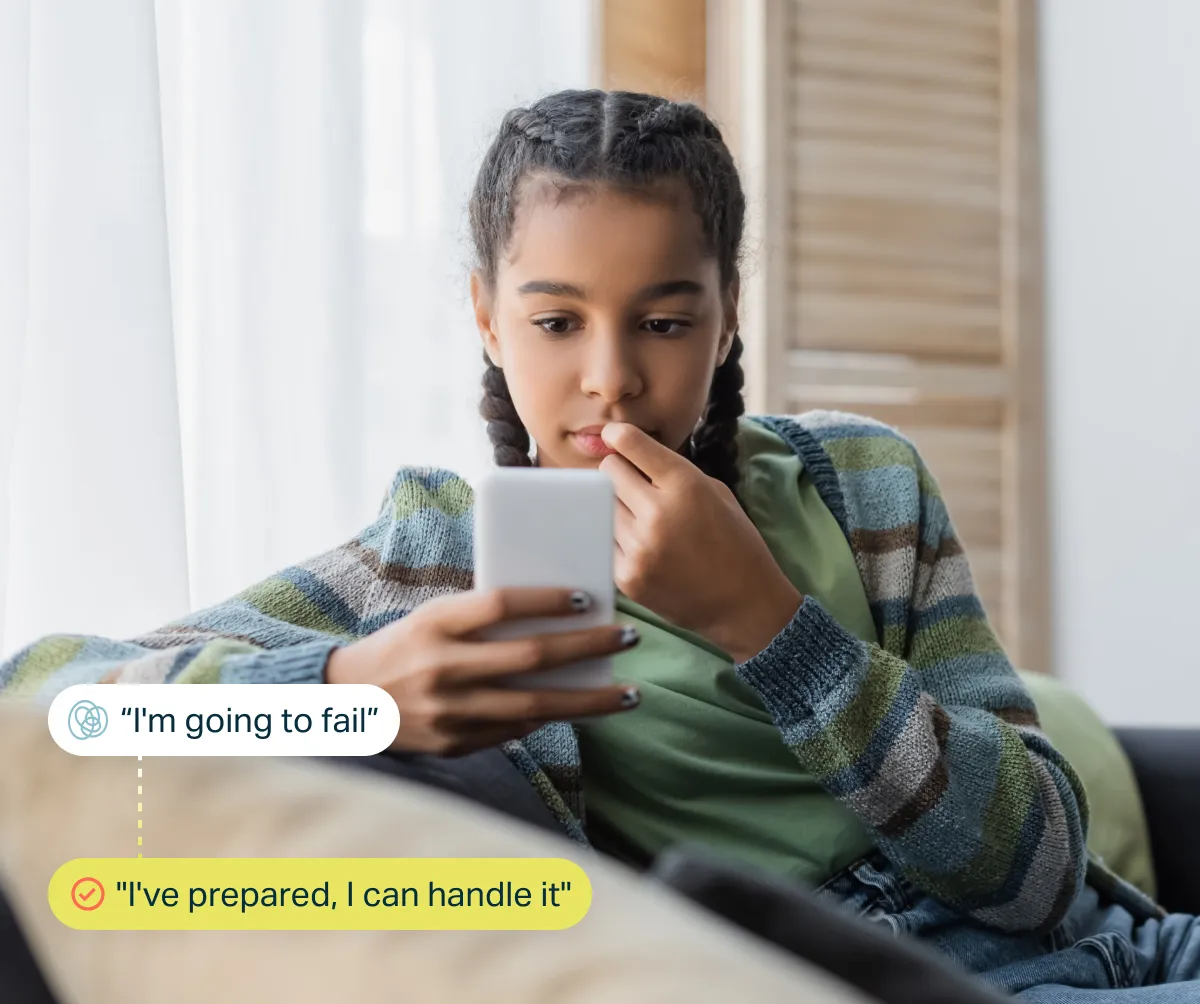
Medication is typically considered when anxiety or OCD is keeping a young person from reaching their goals, when therapy alone isn't effective, or when a family wants to explore it.
What parents may see: avoiding school, work, or activities, withdrawing from friends, increased irritability, or a loss of interest in usual activities.
What you may feel: frequent panic attacks, difficulty sleeping, or compulsions that interfere with daily life.
Who Makes the Decision
For minors, the decision to start medication always belongs to the family, and the young person's voice matters throughout. Their thoughts, questions, and concerns are part of every conversation.
InStride's role is to make that choice an informed one: the psychiatrist shares clear, up-to-date, evidence-based information about the potential benefits and risks, and answers every question along the way. From there, whether to begin medication, or not, rests with the family, never the psychiatrist.



Evaluation and Ongoing Care
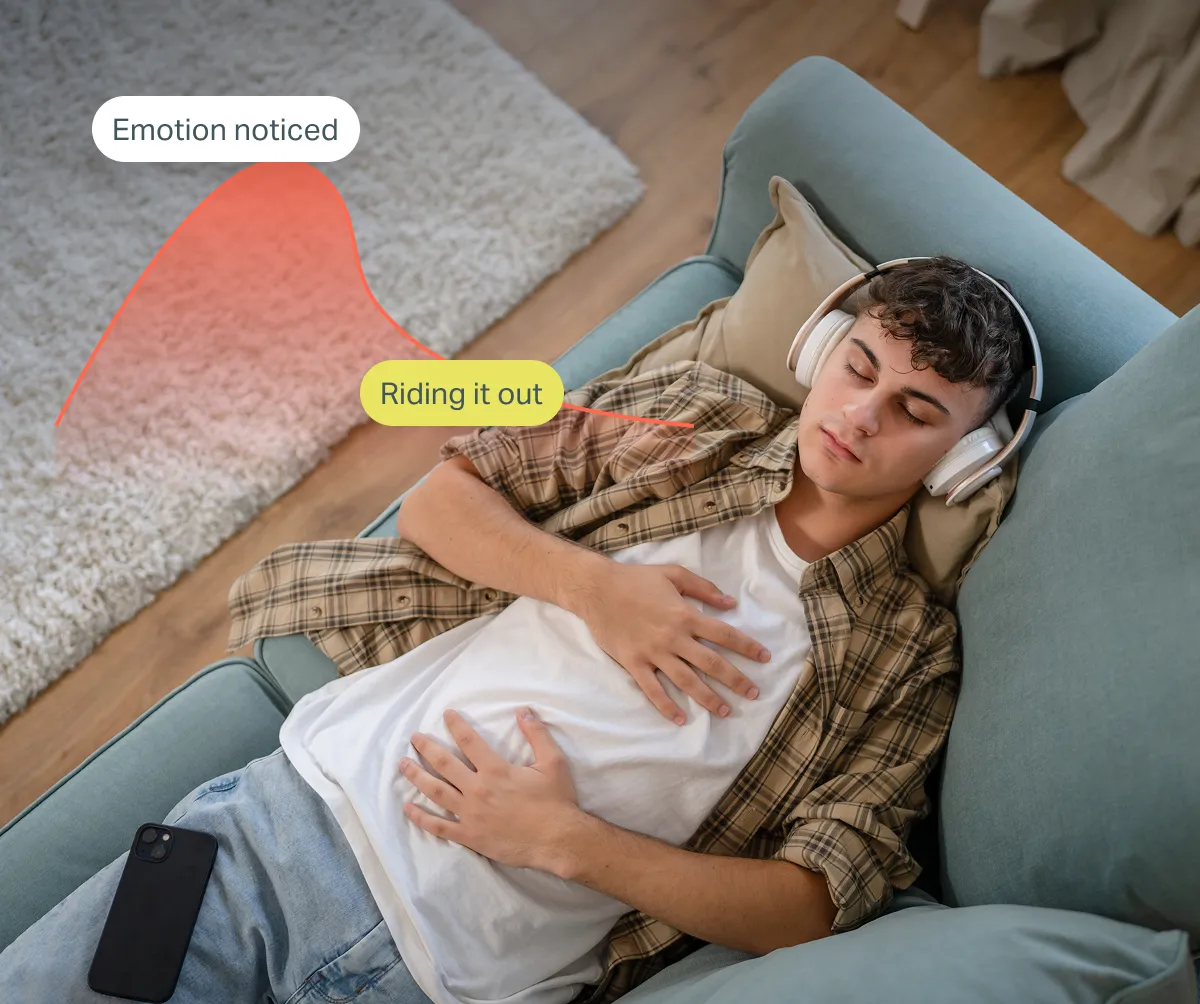
Psychiatric care begins with an individual's psychiatric evaluation and continues with regular follow-ups to see how they're doing and adjust the plan as needed.

The Initial Psychiatric Evaluation
The first appointment is all about understanding the individual fully:
- For children under 12 most of the information comes from the parents with the child providing supporting or additional information as needed
- For teens the information comes from both the parents and the individual through shared and private sessions
- For young adults information is primarily gathered from the individual though supporting information from partners or caregivers may be helpful.
The psychiatrist will consider information gathered in this evaluation alongside input from the InStride care team, symptom details, and medical and psychiatric history to recommend the best plan.

Follow-Up Appointments and Monitoring
After the first visit, care continues with regular follow-ups:
- The psychiatrist and family decide together how often visits happen, based on what the individual needs
- Progress is tracked using input from you, your InStride therapist, and your family or support system.
Your psychiatrist will compare progress against the initial visit so it's clear if things are moving in a positive direction or if the plan may need to be adjusted.

Adjusting or Tapering Medication
Medication is always reviewed and adapted, based on:
- Symptoms: the psychiatrist tracks how well the medication is addressing what it's meant to
- Side effects: the psychiatrist watches for anything the individual may be experiencing
If a change is recommended, the psychiatrist will talk through it with the individual and supporting family and caregivers including dose adjustments and tapering off if the time is right.
How Psychiatry Fits Into the Care Team
Psychiatry works as part of one coordinated team. They stay closely connected, so every decision reflects the full picture.

How InStride Can Help
A Dedicated 3-Person Care Team
Every young person is paired with a psychiatrist, an exposure coach, and a therapist who work together as one team. The psychiatrist matters specifically for medication, as decisions are never made on their own. They draw on the whole team's view, and are made together with the family.
Support for the Whole Family
Parents and caregivers gain skills too, through a dedicated skills group and a practice group for discussion, problem-solving, and applying what they've learned. This includes knowing when to step in and when to step back to help their child build independence.
Care that Starts Quickly
With no waitlist and most families starting care within 1 to 4 weeks; young people can begin building the skills to face their fears sooner.

How to Find Effective Psychiatric Care
Finding the right psychiatric care matters, and the best care does more than prescribe. It works alongside therapy, and adapts as the individual grows. Here's what to look for in a provider.

What to Look For in a Provider


What to Ask a Possible Provider
Lasting Change for Young People with Anxiety and OCD
Hear from those who used psychiatric care, including medication management, alongside therapy.



Frequently Asked Questions
Does everyone at InStride need medication?

No. Medication is never required at InStride, and plenty of individuals make great progress with therapy alone. That said, for many kids with moderate to severe anxiety or OCD, combining medication with therapy leads to the best results. If the psychiatrist recommends medication, whether to include it is always the family's decision.
What if medication has already been started?
If a young person is already taking medication, InStride's psychiatrist can review what they're currently on and share recommendations on whether it's appropriate going forward, whether that means continuing it as is, adjusting it, or considering a change.
What about side effects?
The most common medications are SSRIs such as Lexapro, Prozac, or Zoloft. The most common side effects are headaches and nausea. Your psychiatrist will go over all potential side effects during your first appointment if they recommend medication.
Can I meet with the psychiatrist on my own?
Yes. Teens get time with the psychiatrist on their own, along with shared sessions with parents, so they can talk openly about how they're feeling. Young adults typically meet with the psychiatrist directly, with family or partners involved as much as they'd like. For younger children, parents usually lead the conversation, with the child sharing as they're comfortable.
Is there a child and adolescent psychiatrist near me?
With InStride, you don't need a child and adolescent psychiatrist nearby, care is fully virtual and comes to you at home. As long as InStride serves your state, there's access to a specialized psychiatrist without the wait or travel. See where InStride is available.
Is treatment fully virtual?
Yes, and that's by design. Virtual care means your coach can guide you through real-world practice exactly where anxiety and OCD show up: at school, in a restaurant, at the grocery store. It also means no commute and easier scheduling around school and work.